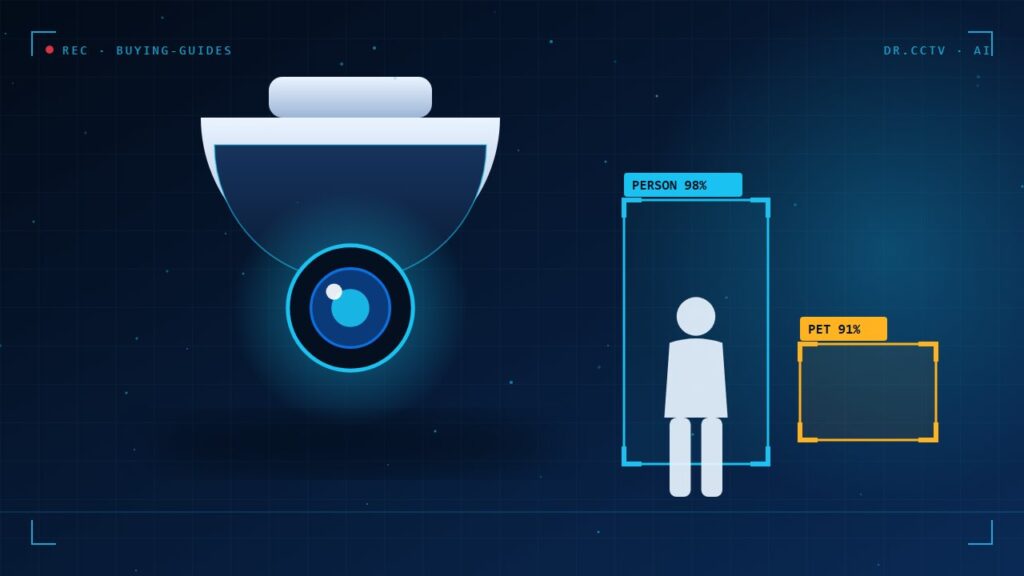
A standard CCTV camera records any movement and leaves you to review the footage. An AI camera understands what it sees, so it can tell people and vehicles from shadows, rain and insects and send only the alerts that matter. Choose AI where false alarms, response time or evidence search matter; choose standard where you only need a basic recording.
Most people shopping for CCTV in Johor Bahru hit the same question early: is an AI camera worth it, or is a standard camera enough? Both record video, but they behave very differently once the sun goes down and the alerts start arriving. This guide explains the real differences in plain language so you can match the camera to your property instead of the brochure.
What is a standard CCTV camera?
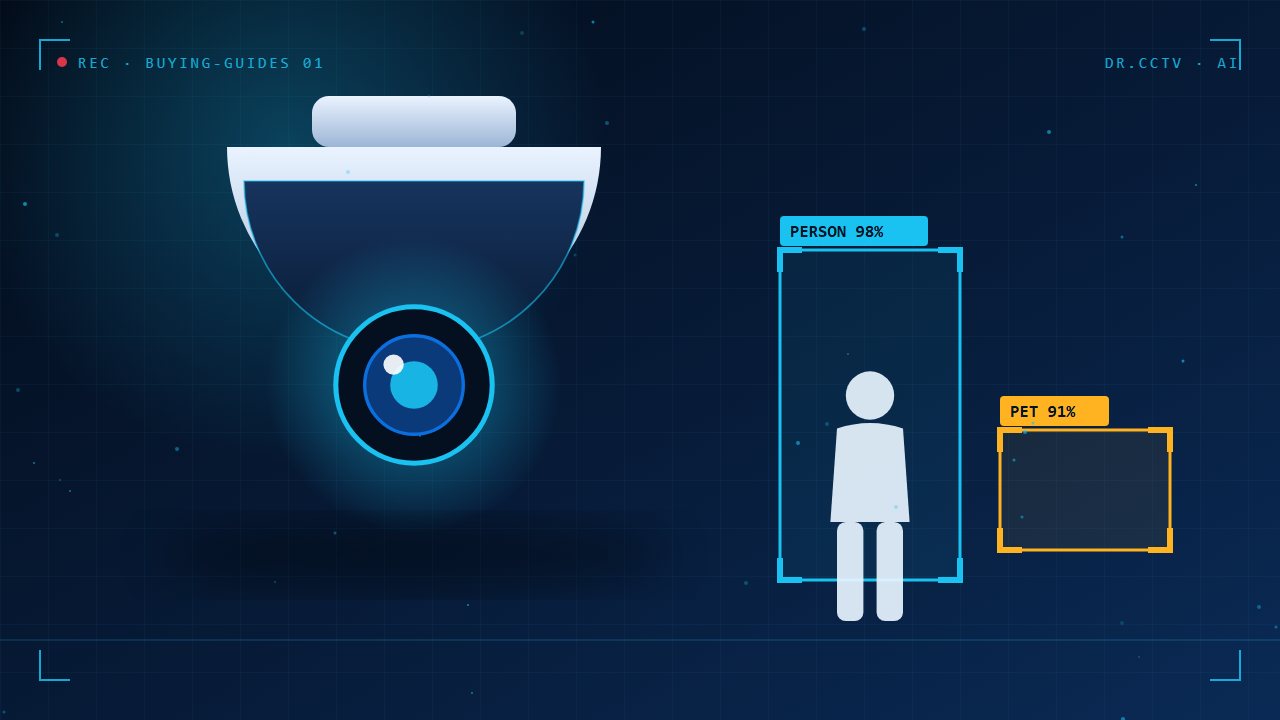
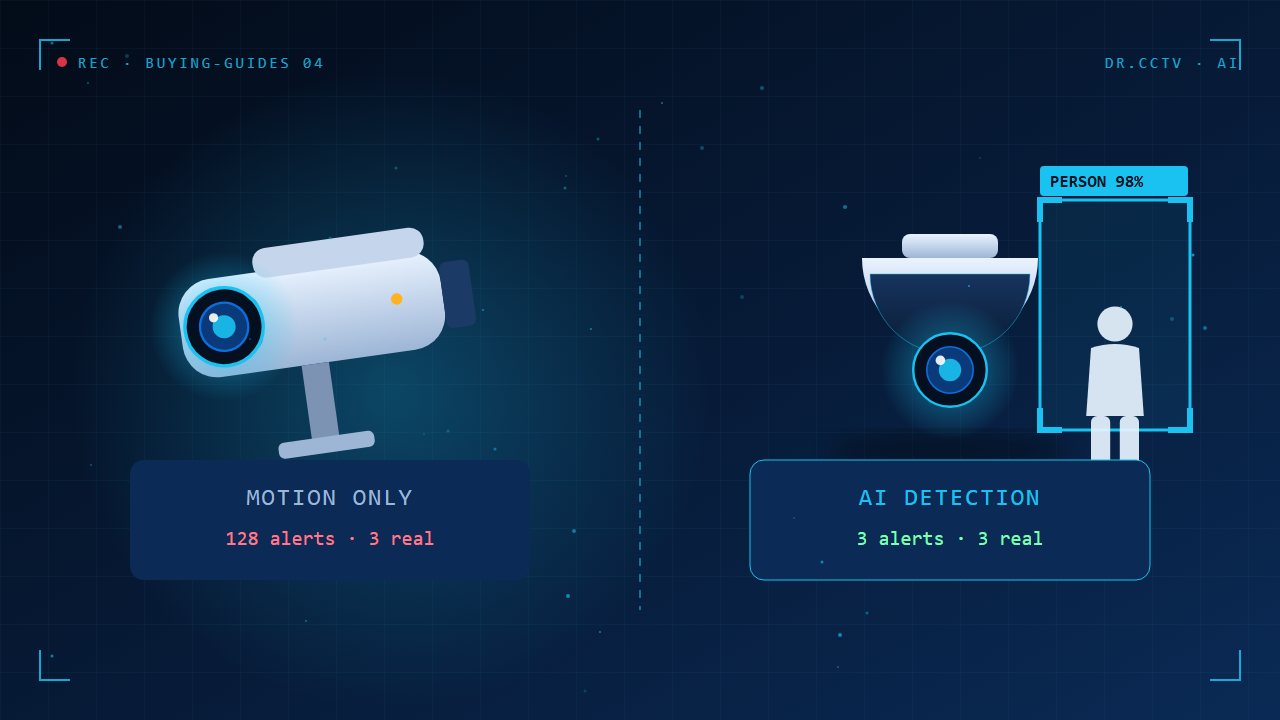
A standard camera captures video and relies on simple motion detection, which reacts to any change in pixels. That works well for continuous recording and for a visible deterrent. The limitation is that it cannot tell what moved, so a swaying tree, headlights, a cat or heavy rain can trigger the same alert as a real intruder.
What makes an AI camera different?
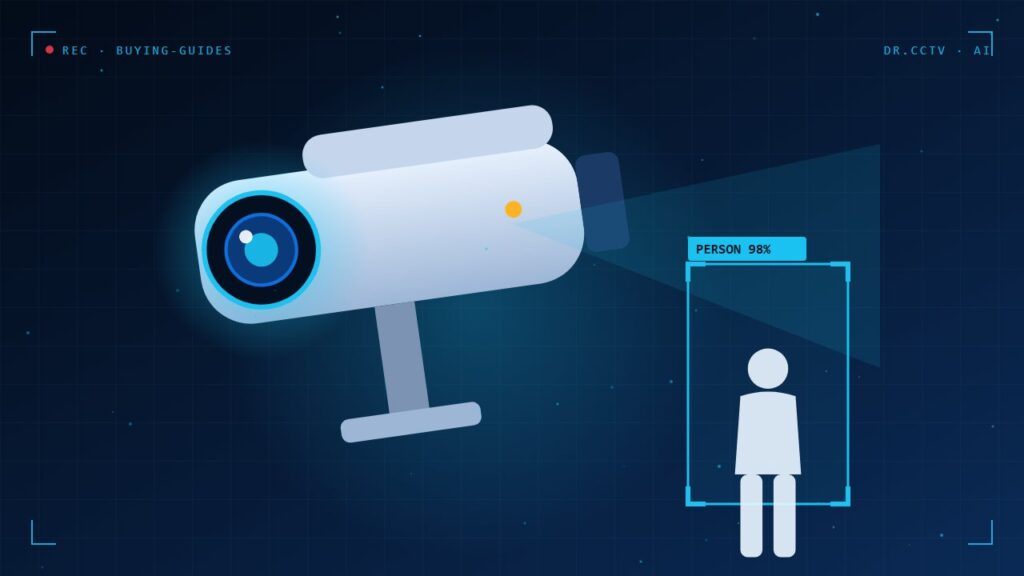
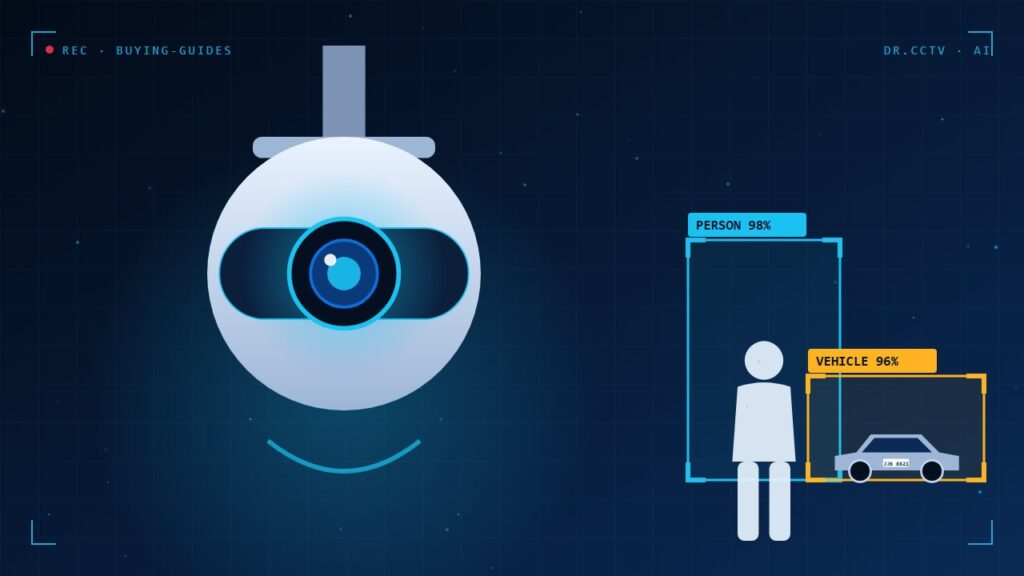
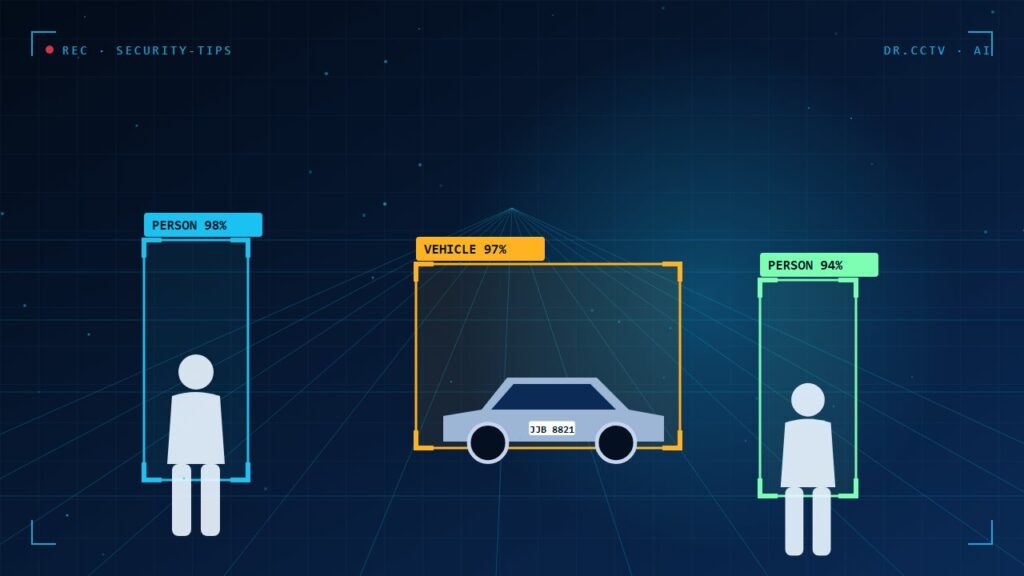
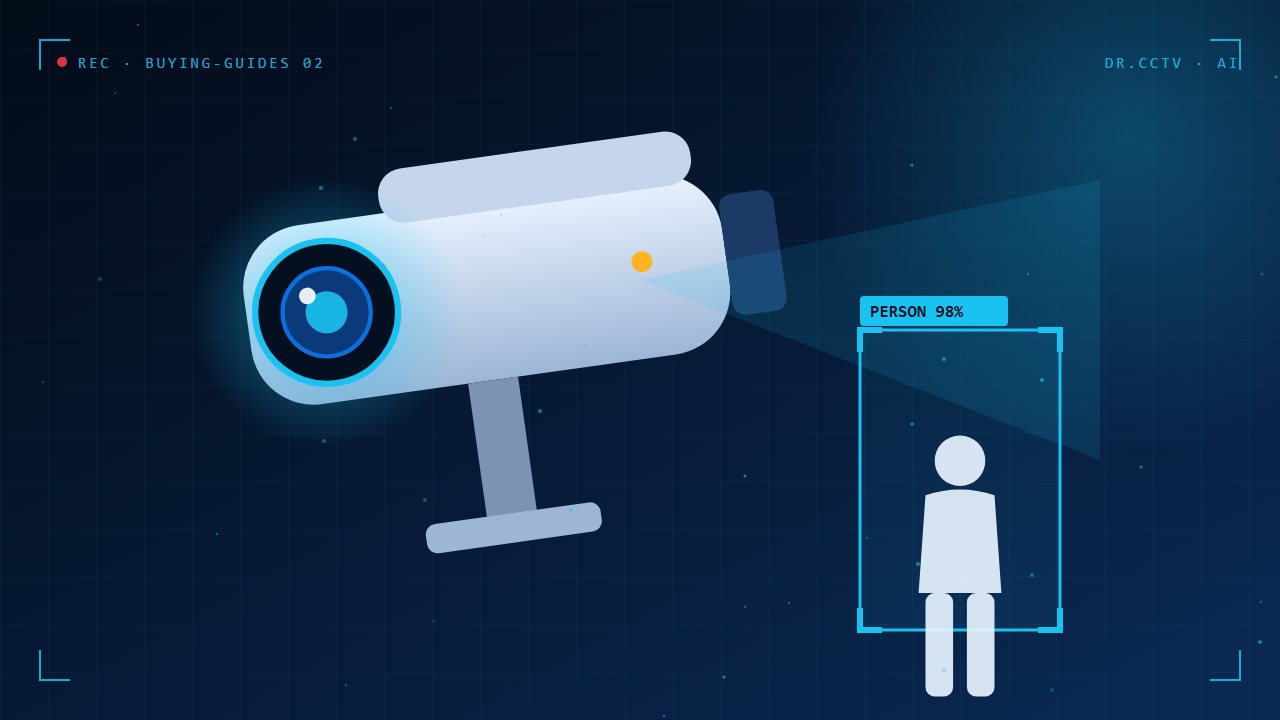
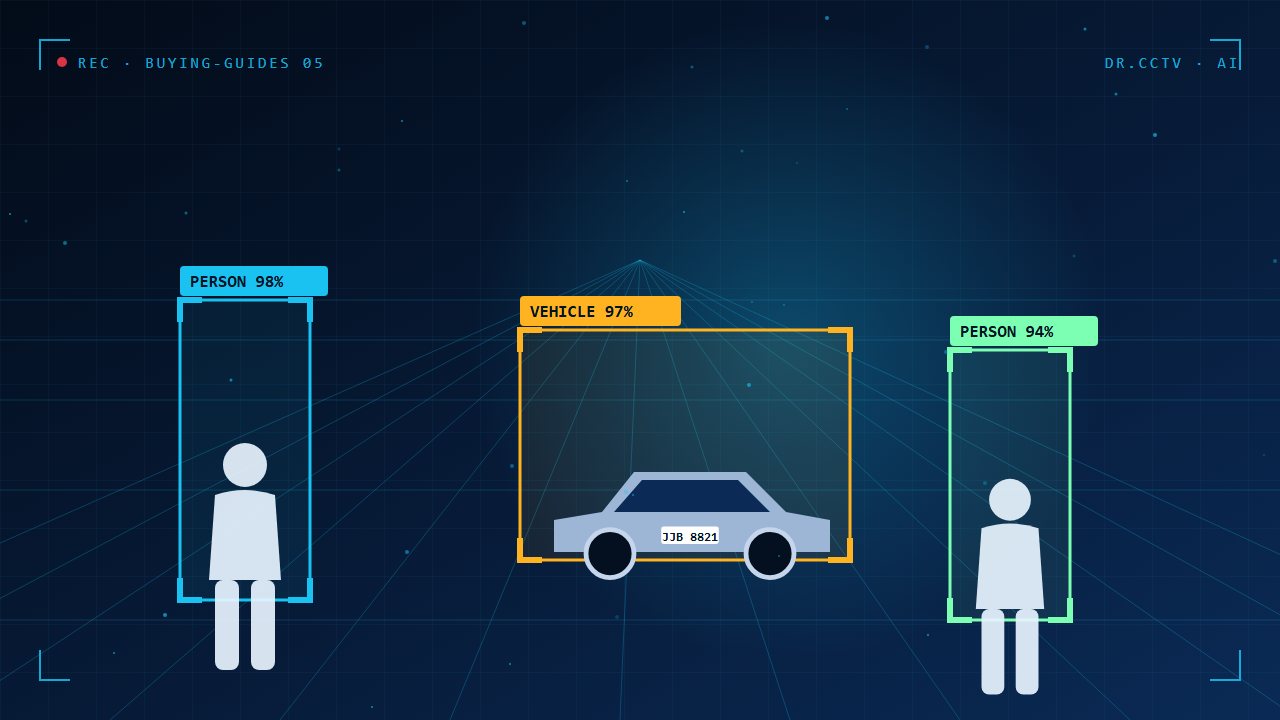
An AI camera runs a trained model, either inside the camera or on the recorder, that classifies objects in the picture. It recognises humans and vehicles, and can draw a line or zone and only alert when a person crosses it. Because the camera understands the scene, alerts are fewer, more accurate and far easier to act on.
Where the difference shows up every day
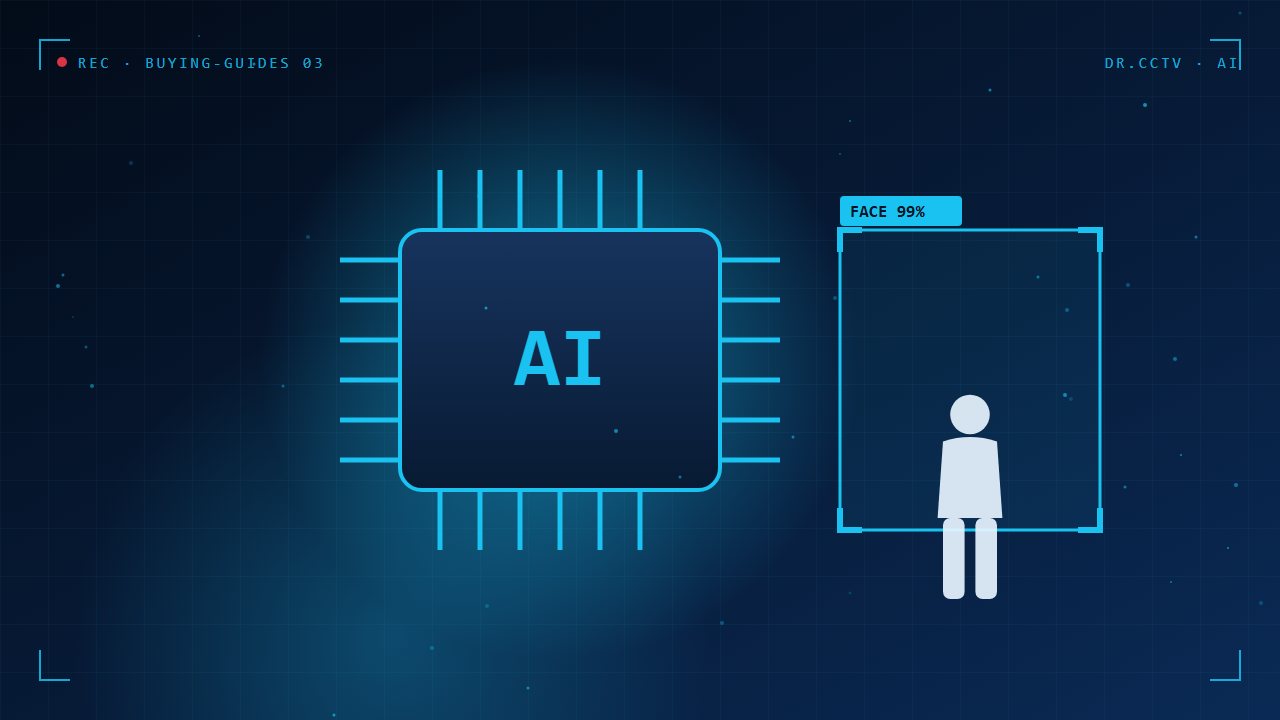
Three things change: false alarms drop sharply, search becomes fast because you can filter footage by person or vehicle, and the system can do extra jobs such as perimeter protection, people counting and licence plate reading. For a busy shop or a landed house with pets and trees, this is the difference between ignoring your phone and trusting it.
Is an AI camera worth the extra cost?
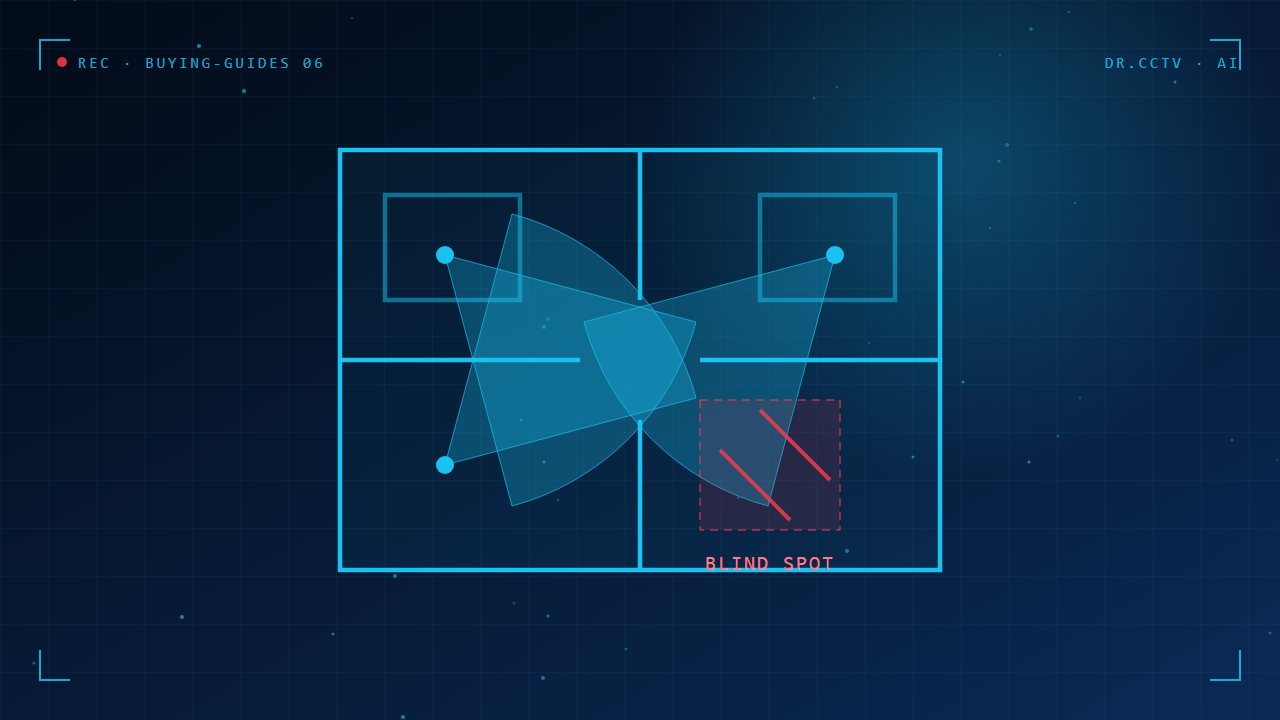
It is worth it when the alert is the point: unattended premises at night, gates and perimeters, long driveways, factories, and shops that need footfall data. A standard camera remains perfectly sensible for indoor monitoring, low-risk corners and tight budgets. Many good systems mix both, putting AI cameras on the entrances and standard cameras on secondary areas.
How to choose in three questions
Ask what you want to be told about, how often you can review footage, and whether you need extra functions beyond recording. If the answers are fast, accurate alerts and easy search, go AI. If you simply want a record in case something happens, standard is enough. A short site survey will confirm which areas deserve AI coverage.
Key takeaways
- Standard cameras detect movement; AI cameras detect people and vehicles.
- AI cuts false alarms and makes footage search quick.
- Mix both types to balance coverage and budget.
- Put AI cameras on entrances, gates and perimeters first.
Further reading
Related articles from our blog:
- How to choose a home CCTV system in Malaysia
- Colour night vision vs infrared: which is better?
- Face recognition and PDPA: what shops should know
Trusted external sources: Hikvision official website and CCTV overview on Wikipedia.
Frequently asked questions
Do AI cameras need the internet to work?
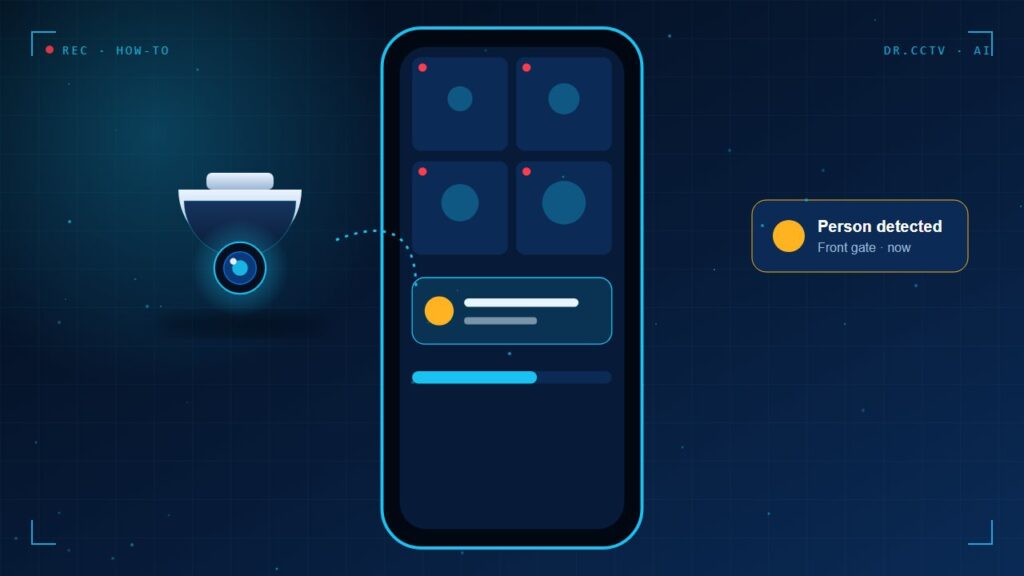
No. Detection runs on the camera or recorder, so recording and alerts work on your local network. Internet is only needed for remote viewing and push notifications.
Can I add AI cameras to an existing system?
Often yes. Many IP recorders accept new AI cameras alongside existing ones. Older analogue recorders may need replacing, which a survey will confirm.
Do AI cameras record more clearly than standard ones?
Not by themselves. Image quality depends on resolution, lens and lighting. AI is about understanding the scene, not sharper pictures.
Need help choosing?
Dr. CCTV by Yury Tech Sdn Bhd designs and installs CCTV, AI cameras, access control and alarm systems across Johor Bahru. Explore: AI Cameras, CCTV Cameras, or book a free site survey and we will recommend the right system for your property.