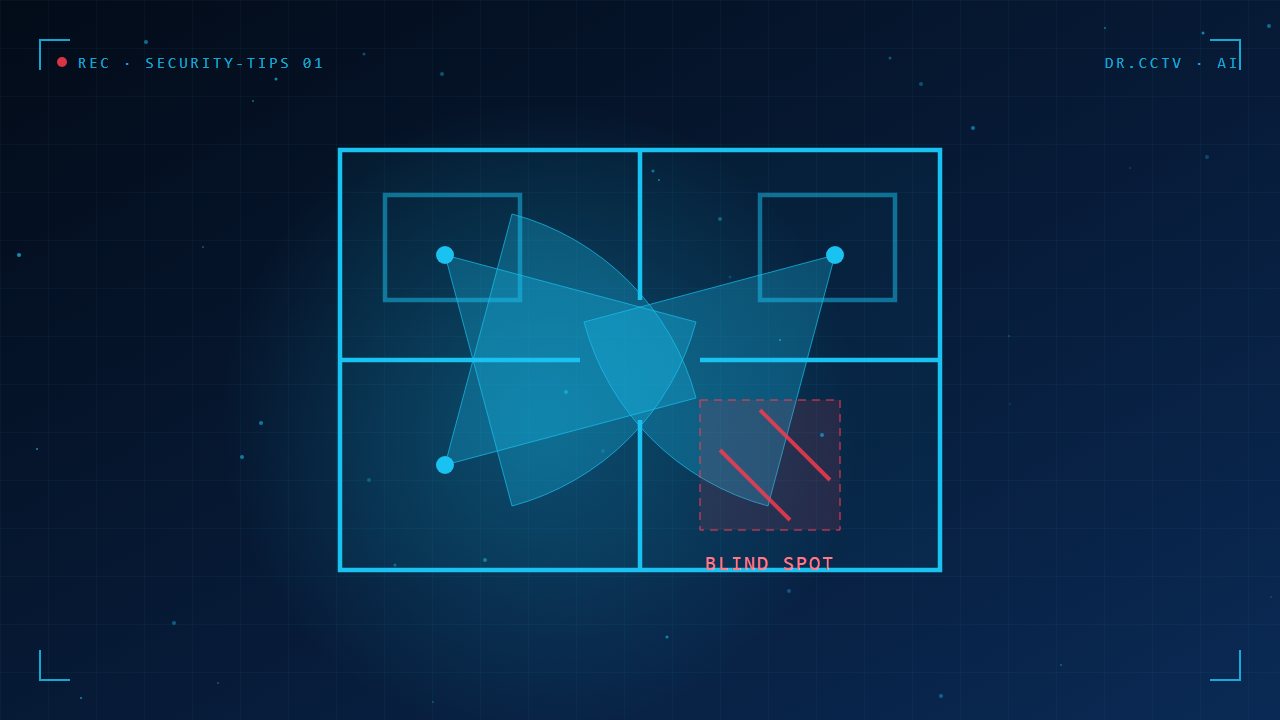
The five most common CCTV blind spots at Johor homes are the side lane, the back door and kitchen area, the car porch and driveway edge, the area right below the camera, and the gate during backlight or night. Fix them with wider-angle cameras, correct mounting height, overlapping fields of view and good lighting.
Most home CCTV systems look complete on paper but leave gaps where intruders actually walk. During site surveys across Johor Bahru we see the same five blind spots again and again. Knowing them lets you check your own home in minutes and fix the weak points before they are tested.
1. The side lane and five-foot-way
Many homes have a narrow side lane that is hidden from the front and rear cameras. It is a favourite route because it is dark and out of sight. A small wide-angle bullet camera at the corner, angled along the lane, closes the gap and also covers the side windows.
2. The back door and kitchen area
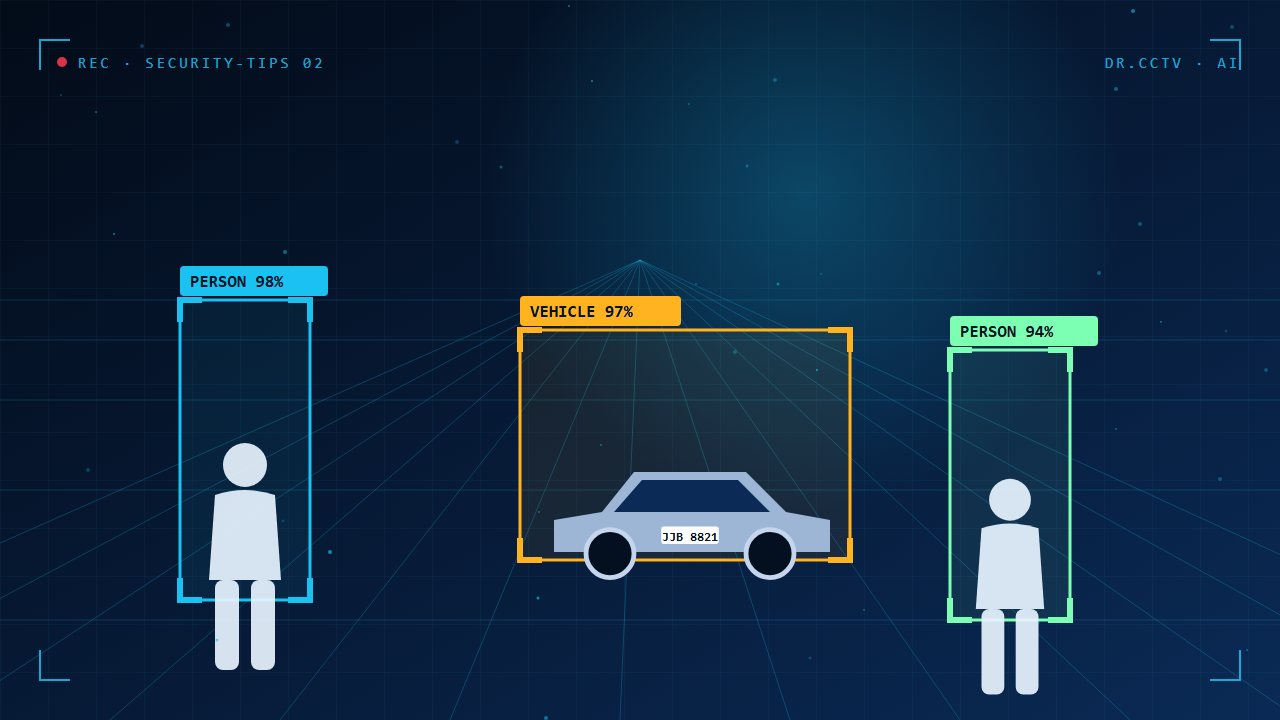
Rear access is usually the least protected part of the house, yet it is where most break-ins start. A dome or bullet camera under the eave, aimed at the door and yard, plus a motion light, gives clear footage and discourages attempts before they begin.
3. The car porch and driveway edge
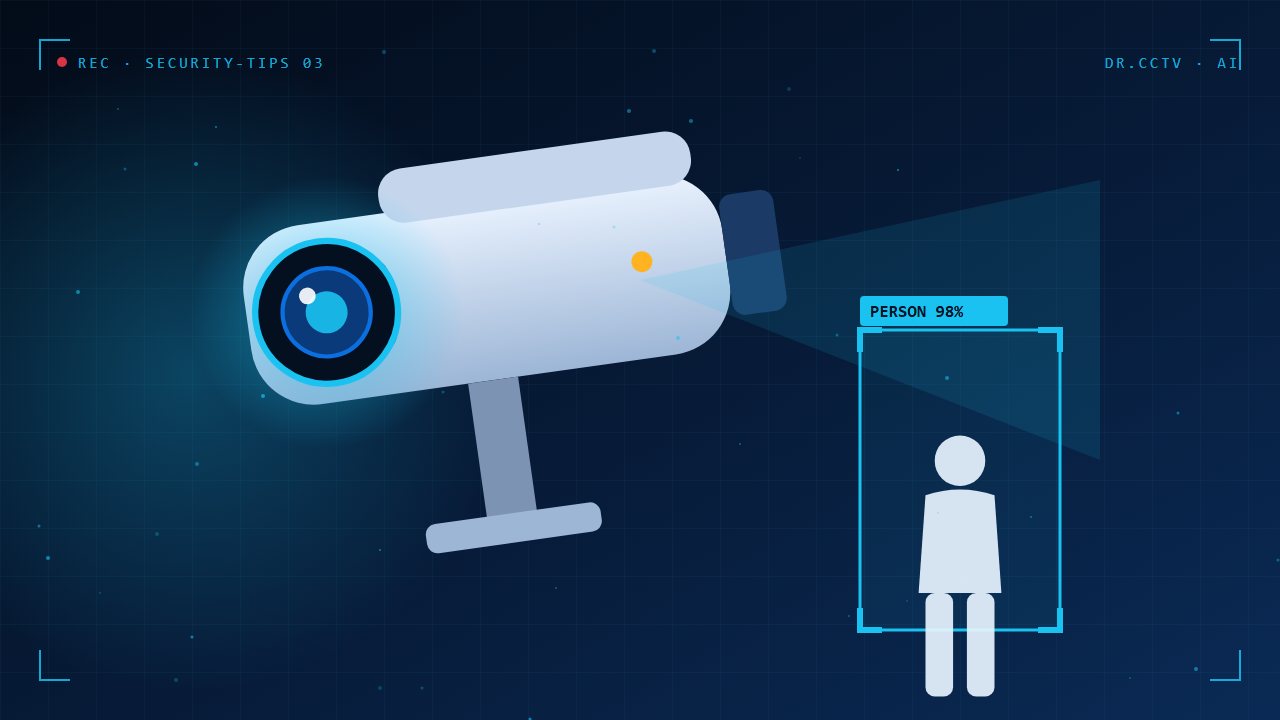
Cameras mounted high and far away often miss the edge of the driveway and the side of parked cars. Add one camera that looks along the car porch at face height, and consider licence plate recognition at the gate if vehicles are a concern.
4. The dead zone directly below the camera
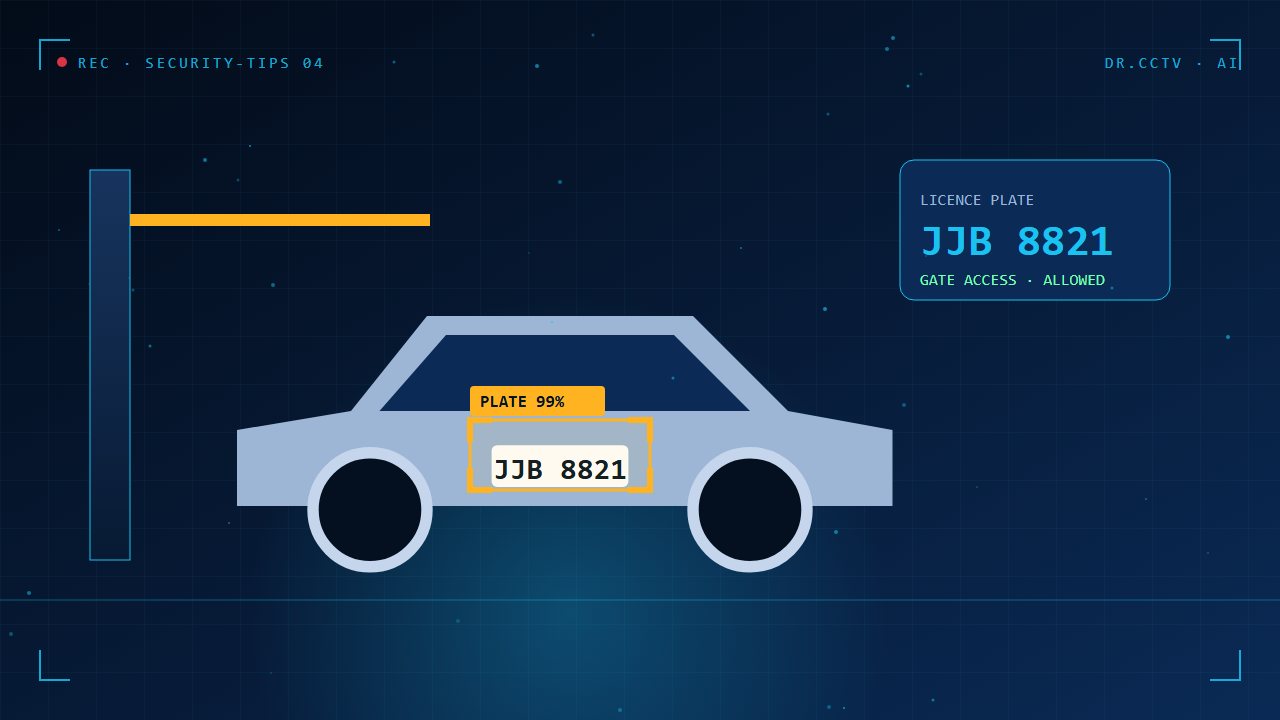
Every camera has a blind area beneath it. Someone who walks close to the wall can pass unseen. Overlap fields of view so that each camera covers the blind zone of its neighbour, and avoid mounting a single camera at an extreme height.
5. The gate at night and in backlight
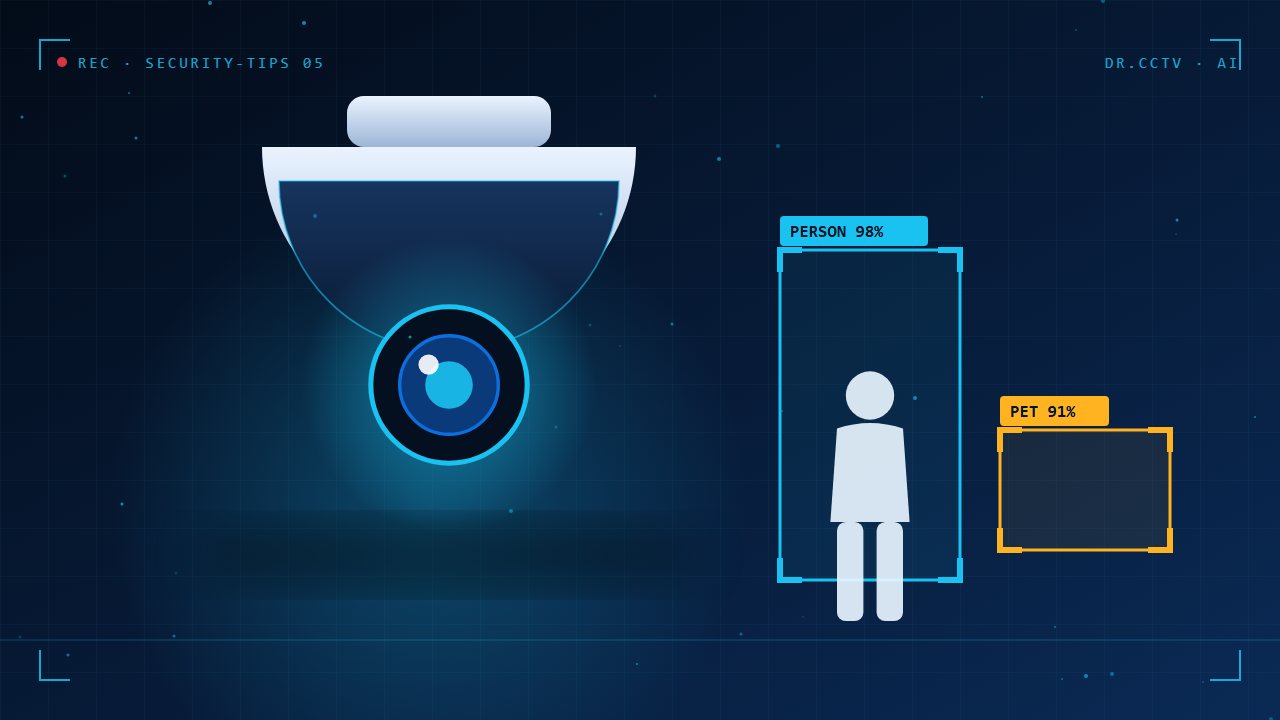
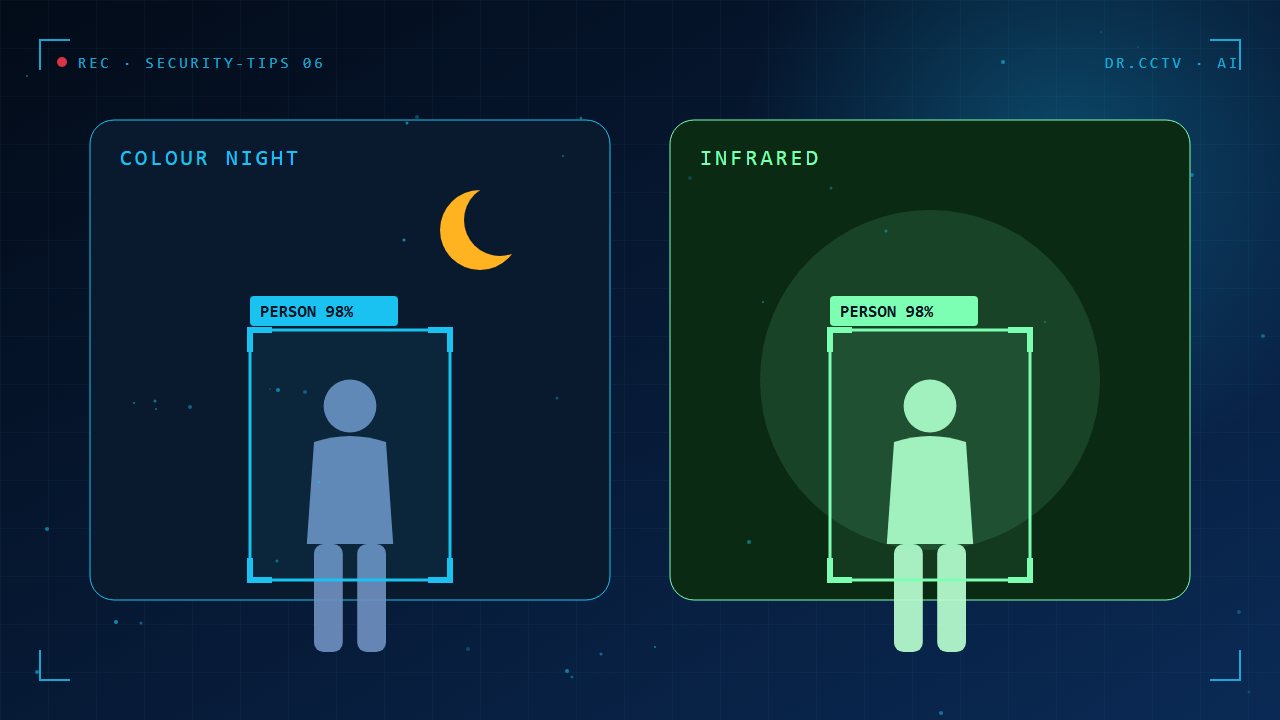
Strong headlights, bright skies or dark gates ruin faces on ordinary cameras. Choose cameras with wide dynamic range and colour night vision, and add light at the gate. Test the picture at night before handing over the installation, not only in daylight.
Key takeaways
- Check side lanes, back doors, driveway edges, below-camera zones and the gate at night.
- Overlap camera views so that no blind spot remains.
- Use wide dynamic range and light for night faces.
- A site survey finds blind spots before installation.
Further reading
Related articles from our blog:
- How to choose a home CCTV system in Malaysia
- Colour night vision vs infrared: which is better?
- AI camera vs standard camera: which do you really need?
Trusted external sources: CCTV overview (Wikipedia) and Hikvision official website.
Frequently asked questions
How do I find blind spots in my current system?
Walk the property while someone watches the live view, or check recorded footage at different times of day. Note where you disappear from view.
How high should I mount a home camera?
Typically 2.5 to 3 metres. Higher mounting increases coverage but reduces facial detail and enlarges the blind zone below.
Does adding a light help CCTV?
Yes. Good lighting improves colour, face detail and deterrence, especially at gates and rear doors.
Need help choosing?
Dr. CCTV by Yury Tech Sdn Bhd designs and installs CCTV, AI cameras, access control and alarm systems across Johor Bahru. Explore: Solutions, free site survey, or book a free site survey and we will recommend the right system for your property.